
Helvellyn Without Striding Edge: My Solo Hike from Wythburn
Updated: 2 days ago

I wanted to climb Helvellyn, but I didn’t want to tackle Striding Edge alone. At the time, I hadn’t done that kind of scrambling, and a solo winter walk wasn’t the first time I wanted to try it.
Instead, I chose this circular route from Wythburn, heading towards Grisedale Tarn before climbing Dollywaggon Pike and continuing over Nethermost Pike to Helvellyn.
It was a beautiful day. The winter scenery, the approach to the tarn and the views once I reached the higher fells made this a walk I still remember clearly. But it was also long, hard work and very steep on the way down.
If you’re looking for a Helvellyn route without Striding Edge or Swirral Edge, this is an option to consider. Be clear about what you’re taking on: avoiding the scrambling routes still leaves a demanding mountain walk, especially in snow or ice.
Helvellyn Route Overview
Start and finish: Wythburn car park, Thirlmere
Route: Circular, via Raise Beck, Grisedale Tarn, Dollywaggon Pike, Nethermost Pike and Helvellyn
Distance: 12.5km
Total ascent: 909m
Time: 5-6 hours approx.
Difficulty: Challenging, with sustained climbing and a steep descent
Terrain: Mountain paths, stone steps, rocky ground and open fell terrain
Scrambling: Avoids Striding Edge and Swirral Edge; snow and ice can substantially change the skills and equipment required
My experience: A solo winter hike

Use the map and GPX alongside your own route planning and navigation skills. The account below describes my walk; it isn’t a substitute for a detailed map or an assessment of the day's conditions
Download OS maps here so you can download the route and use offline.
This post may contain affiliate links. I only ever recommend products that I have personally tried, tested, and genuinely believe in. If you purchase through one of my links, I may earn a small commission at no extra cost to you. This helps support my blog and allows me to keep sharing honest reviews and hiking content. Thank you for your support!
Why I chose to hike Helvellyn without Striding Edge
I usually walk alone, so choosing a route I feel comfortable managing independently is part of planning my days out. For this walk, I knew I didn’t want to scramble alone. I wanted to experience Helvellyn without adding something unfamiliar to a winter mountain day.
I also tend to choose a longer approach where I can settle into the walk before the bigger climbs. Going towards Grisedale Tarn appealed to me for that reason, although there’s still plenty of steep ground on this route.
I later did Striding Edge as part of a winter hiking and safety course in the Lake District. That gave me a chance to try it with support and build my experience. On this earlier visit, though, I wanted to do the Wythburn circular.

Starting from Wythburn car park
My walk started at Wythburn car park beside Thirlmere.
Before setting off, check that your route follows the longer approach towards Raise Beck and Grisedale Tarn. There is also a more direct ascent from Wythburn, so the starting point alone doesn’t tell you which walk you’re following. For me, the approach towards the tarn is a big part of the appeal of this circuit. I enjoyed having that section of the day before heading onto the higher fells, rather than taking the most direct route to Helvellyn.

Raise Beck: a beautiful climb with slippery ground
The path up beside Raise Beck is one of the sections I remember most clearly. Water ran over parts of the stone path, making it feel almost like walking up a waterfall in places. On my winter visit, sections had frozen, so I needed to watch my footing. The scenery was beautiful, but this wasn’t somewhere to switch off and simply follow the path. Wet rock and ice made a real difference to the walk.
Spikes were useful on the icy sections I encountered. However, that experience shouldn’t be read as a recommendation that microspikes will be enough for the whole route in any winter conditions. I’ve explained that distinction in the winter section below.

Grisedale Tarn to Dollywaggon Pike
The approach to Grisedale Tarn was a highlight for me. I thought this part of the walk was stunning, and it’s one reason I’d choose the longer circuit. From the tarn, the climb towards Dollywaggon Pike gets steep again. This is a sustained uphill section, so allow yourself time for it rather than assuming the approach to the tarn has done most of the work. Once I was up, the views were outstanding. This was where the effort of the climb really paid off for me, with much more of the surrounding fells opening out.
More Hiking Blog Posts:

Continuing over Nethermost Pike to Helvellyn
From Dollywaggon Pike, the route continues towards Nethermost Pike and Helvellyn. I found the views across this higher section amazing, especially looking towards Thirlmere and across towards Red Tarn. The winter landscape made it particularly memorable.
Check the individual summit positions on your map if you want to include all three Wainwrights, rather than assuming the main through-path takes you over every summit. Although this route avoids the famous scrambling edges, you’re still walking high on an open mountain. You need to factor conditions into your planning, even if everything felt sheltered lower down.

The descent to Wythburn: the part I wouldn’t underestimate
The descent was really steep. That’s the detail I’d most want someone to know before choosing this circuit.
After the length of the walk and the earlier climbs, there’s still a demanding stretch between Helvellyn and the car park. I wouldn’t choose it casually if steep descents tend to bother your knees.
In winter, this section needs particular thought. Getting up the mountain is only part of the day, and a steep descent on frozen ground can be difficult even when you’ve felt comfortable during the climb.
When planning the route, look closely at the descent and leave enough time and energy for it.

Hiking Helvellyn in Winter: what my experience taught me
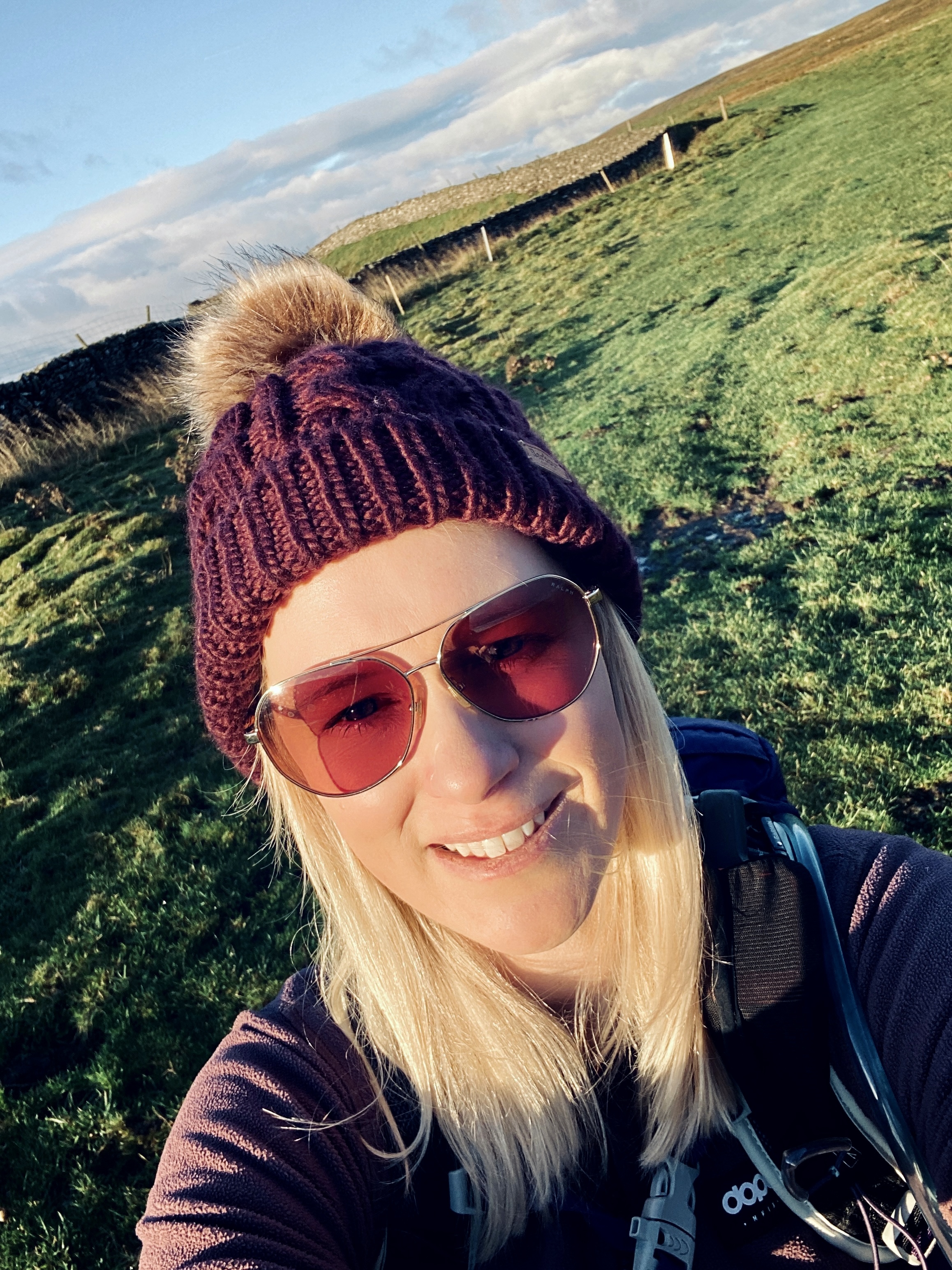
My photographs show how beautiful this walk can be in winter. They don’t show every slippery step or how much concentration parts of the route required. The frozen path beside Raise Beck is the clearest example. A path can be obvious and still be difficult to walk safely. I wouldn’t describe this as an easy winter alternative to Striding Edge. It avoids those scrambling sections, but winter conditions can change the character of the whole circuit.
Microspikes and crampons are not interchangeable
Spikes helped with the conditions I encountered, but the equipment you need depends on the slope, the snow or ice, and what would happen if you slipped.
Microspikes have limitations. Steep, hard snow or ice may require suitable crampons, compatible boots and an ice axe, together with the skills to use them. Carrying equipment you haven’t learnt to use isn’t enough.
The British Mountaineering Council’s guidance on walking boots, crampons and microspikes is useful reading before deciding what’s appropriate for your walk. If the conditions exceed your equipment or experience, change the plan.
Check mountain conditions before travelling
Check the mountain forecast, including wind, visibility, temperature and freezing level, rather than relying on the forecast for a nearby town.
The Lake District Weatherline service also provides seasonal reports from the Fell Top Assessors on Helvellyn. Check the date of the latest report; winter assessments aren’t available year-round.
Snow can form unstable overhangs, known as cornices, above steep drops. Keep well back from snowy edges, including when looking towards Red Tarn or taking photographs.
Allow for a slower day
Winter planning needs to account for short daylight hours and slower progress on difficult ground.
Carry a headtorch, warm spare layers, waterproofs, food, drink, navigation equipment, a charged phone and emergency shelter. Know how to navigate if the path disappears beneath snow or cloud reduces visibility.
Have a realistic turnaround time and be prepared to choose a shorter or lower walk. AdventureSmart’s winter advice covers preparation, equipment and adapting your plans to the conditions.
Build winter skills with support
I later tackled Striding Edge as part of a winter hiking and safety course. For me, that was a way to gain experience of something I hadn’t wanted to attempt alone.
If you want to start walking in snow and ice, a winter skills course is worth considering before planning an independent mountain day. The Lake District National Park offers winter skills days covering the use of crampons and an ice axe. This is a separate option from the course I attended.

Would I recommend this Helvellyn route for solo hikers?
I enjoyed this walk enormously. It gave me the approach through Grisedale Tarn, several summits and the views I’d hoped for, without taking me onto Striding Edge before I was ready.
I’d consider it a good option for someone already comfortable with long, steep mountain walks who wants to avoid the two scrambling edges. I wouldn’t describe it as a beginner’s route, especially in winter.
Before setting out, AdventureSmart UK encourages walkers to consider three things: whether their skills suit the day, whether they understand the forecast and whether they have suitable equipment. Those are useful questions for this route in any season.
My thoughts on the Wythburn circular
What stays with me most is the walk towards Grisedale Tarn and the views once I reached Dollywaggon Pike. Helvellyn was the destination, but I enjoyed so much of the route before getting there.
I’m glad I chose a walk that suited what I wanted to do at the time. I didn’t need to tackle Striding Edge to have a memorable day on Helvellyn.
Just give this circuit the time and preparation it needs—and don’t underestimate that descent.
For more on planning an independent day out, read my solo hiking safety guide. You can also find the clothing and equipment I currently use on my hiking gear page.
Subscribe to my monthly newsletter for more hiking routes, gear reviews, and adventure tips—delivered straight to your inbox! Click here.
Are you new to wild camping? Check out The Beginner’s Guide to Wild Camping for everything you need to get started.
Do you have any questions or thoughts? Feel free to contact me here—I’d love to hear from you.
If you haven’t already, consider downloading the Ordnance Survey App. It lets you import GPX routes directly and mirrors the paper maps you should always carry as a backup. I use this app to plan all my hikes, and it’s an essential tool for navigating the great outdoors.


Comments