
My First Solo Wild Camp in The Lake District
Updated: 4 days ago

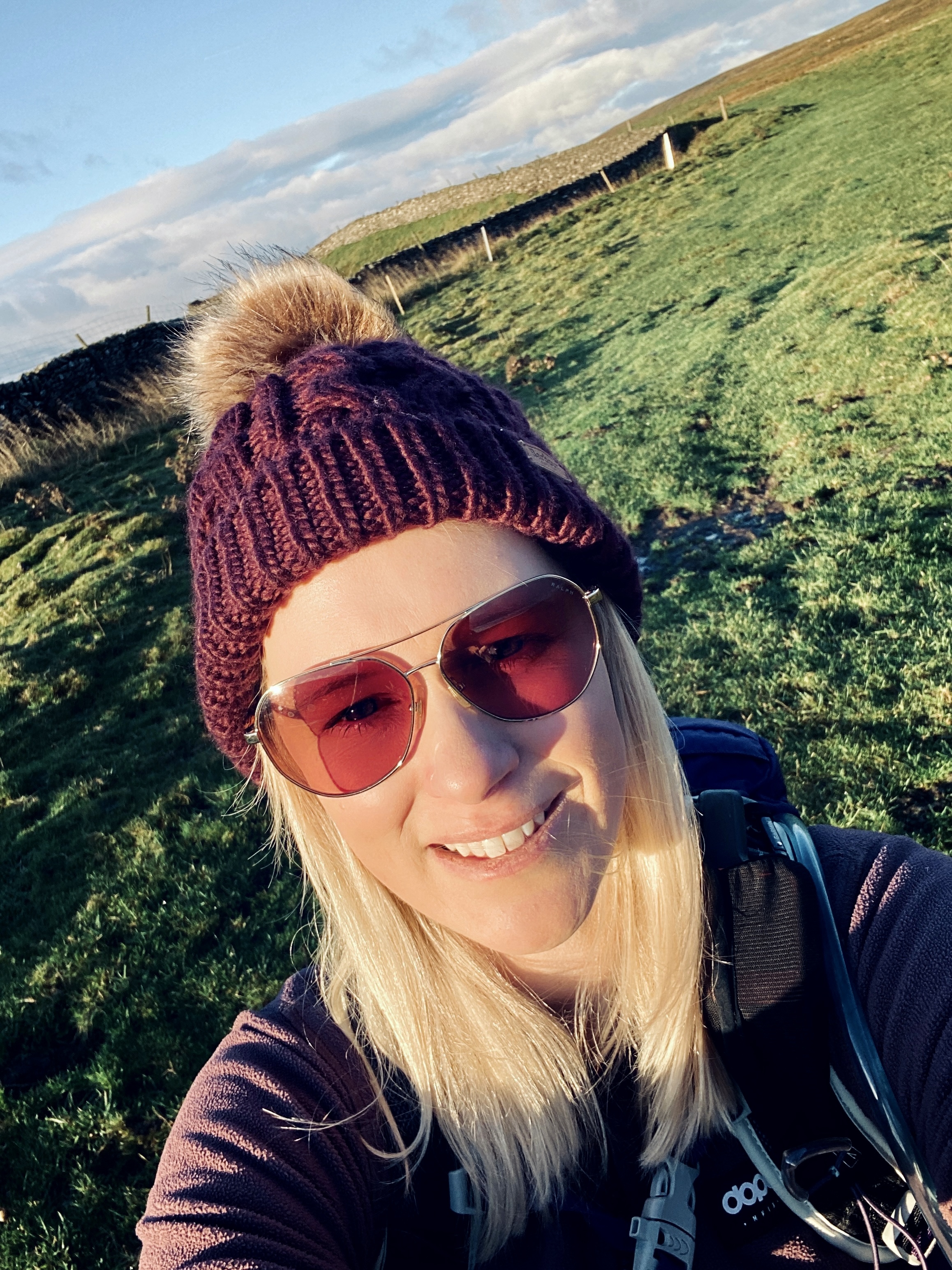
After a few solo hikes, I felt ready to take the experience further with my first wild camp in the Lake District. I felt confident I would love it, but I knew I might not—or that the solitude could be too daunting. To start, I bought some essential camping gear, deciding that if I enjoyed the experience, I would invest in better equipment later. My setup included a £55 Vango tent, a Mountain Warehouse Everest sleeping bag (heavy at 2kg but extremely warm for winter), a compact stove, a sleeping mat, and a freeze-dried meal from Summit to Eat. With the hiking clothing I had already acquired, I felt ready to embark on this new challenge.
She's Going Solo may receive commissions for links included in articles to Amazon and other affiliate partners. I don't recommend products lightly, and I've tried and tested everything I recommend.

Choosing My First Wild Camp Location in The Lake District
Following my recent hike in the Lake District, I decided against camping near Haystacks. I couldn’t pinpoint why, but it just didn’t feel like the right spot for my first wild camp—perhaps because I had taken the most challenging route up there, which had put me off a little! 😂 (See my Haystacks hike blog post here.)
After binge-watching wild camping videos on YouTube, I settled on Angle Tarn. However, I wanted to avoid the more crowded areas, so I planned to set up camp slightly away from the tarn, hoping to enjoy the surrounding mountain views and catch a breathtaking sunrise.
Setting Off on My First Solo Wild Camp in The Lake District
The day had arrived, and I was nervous. What was I thinking, heading into the mountains alone with just a tent, planning to spend the night there? I must be mad! I had already invested in gear and told everyone about my plans—there was no backing out now. I left details of my intended camping spot at home, packed my Garmin inReach Mini (See Garmin inReach Mini review here), and set off.
When I arrived in Patterdale, I used my map to locate a car park behind a pub. However, I mistakenly drove up a steep incline and ended up in someone’s back garden on the narrowest, rockiest road imaginable—with no way to turn around! My nerves were shot. A woman kindly came out of her house and suggested that if I drove further into her garden, I could turn around near her shed. My legs shook so much that I couldn't even start the handbrake, and my heart pounded. Somehow, I got out of the situation—but not before accidentally dragging a plant pot under my car. 🤦♀️
More Wild Camping Blog Posts

The Hike to Angle Tarn
After finally finding a proper parking spot, I took a few deep breaths to compose myself. I gathered my gear and set off, relieved that I hadn’t forgotten anything essential. The first stretch of the hike was flat and easy, a welcome break before tackling the steep ascent of Place Fell. My 18kg backpack felt incredibly heavy—I had foolishly packed my SLR camera, tripod, and far more gear than I needed. It quickly became clear that managing pack weight is crucial for wild camping.
As I climbed Place Fell, I felt overwhelmed. My bag was hefty, and my phone buzzed non-stop with messages from my worried mum. Every time I paused to catch my breath, I had to reassure her I was okay and ask her to stop texting so I could focus on climbing. Reaching Angle Tarn took around two hours, and by the time I arrived, I was utterly exhausted.

Finding the Perfect Wild Camping Spot
Several campers were already set up around Angle Tarn, so I headed west, away from the crowds, towards the lower valley. Eventually, I found a flat, secluded spot in front of Cat Crag, with an incredible view of St. Sunday’s Crag, Hart Crag, Fairfield, and the distant peaks. I set up my tent, inflated my sleeping mat, and got my stove going before sitting back to watch the sun dip behind the mountains.
The weather was perfect—clear skies, barely any clouds, and just a slight chill in the air. The peace and solitude were incredible; all I could hear was birds chirping and the occasional sheep bleat. Unlike hiking, where you're constantly moving, wild camping lets you sit still and truly absorb the beauty around you. It felt liberating.

A Minor Disturbance and Nightfall
Just as I was soaking in the tranquillity, a group of young men camping at the tarn decided to climb up Cat Crag to watch the sunset. They weren’t doing anything wrong, but their loud voices broke the peace, and as a solo female camper, I couldn’t help but feel a little uneasy. Thankfully, they didn’t stay long and soon returned to their tents.
As night fell, the golden glow faded, leaving the mountains in absolute silence. I expected to feel fearful, but to my surprise, I felt calm. You become so immersed in your surroundings that you realise there’s nothing to fear. In fact, I felt safer there than in a busy city.
With the temperature dropping, I bundled up in my thermal layers and down jacket, crawled into my sleeping bag, and zipped up my tent. At first, it felt strange to be alone in the mountains, miles from civilisation, in total darkness. But soon, a wave of tranquillity washed over me, and I drifted off to sleep.

A Magical Morning at Angle Tarn
I woke once in the night to rustling outside the tent. I really needed the toilet, but I wasn’t about to venture out! Luckily, the noise quickly stopped, and before I knew it, my alarm woke me at 5:30 AM.
For a brief moment, I forgot where I was—then it hit me: I had made it through the night! 😁
As I opened the tent door, a stunning sunrise over Angle Tarn greeted me. I fired up my stove for a much-needed coffee and took a short stroll to watch the first light hit the mountains. Just when I thought the moment couldn’t get any more magical, a herd of deer appeared, gracefully moving around the tarn—it was absolutely breathtaking.
After savouring my morning coffee, I reluctantly packed up my gear and began the hike back to my car. The early-morning solitude was incredible—by 7:30 AM, not a single soul was in sight. My bag felt lighter, and I reached the car much faster than expected. Before I even got home, I was already planning my next solo wild camp in the Lake District.

Is Wild Camping Legal in the Lake District?
Wild camping is illegal in England and Wales without landowner permission. However, in the Lake District, it is generally tolerated if you follow responsible camping guidelines:
✅ Leave no trace ✅ Set up just before sunset and leave just after sunrise ✅ Camp above the highest fell wall ✅ Avoid camping on paths or too close to water sources ✅ No fires (use a stove or bush box that won’t scorch the ground)
If you're nervous about solo wild camping, try camping at a campsite first. (Check out my review of the best Lake District campsite for a ‘nearly wild’ experience here!)

Subscribe to my monthly newsletter for more hiking routes, gear reviews, and adventure tips—delivered straight to your inbox! Click here.
Are you new to wild camping? Check out The Beginner’s Guide to Wild Camping for everything you need to get started.
Have any questions or thoughts? Feel free to get in touch with me here—I’d love to hear from you.
If you haven’t already, consider downloading the Ordnance Survey App. It lets you import GPX routes directly and mirrors the paper maps you should always carry as a backup. I use this app to plan all my hikes, and it’s an essential tool for navigating the great outdoors.


A great read and wonderful photographs.